Keeping the value of resources in Latvia: The case for stricter landfill rules
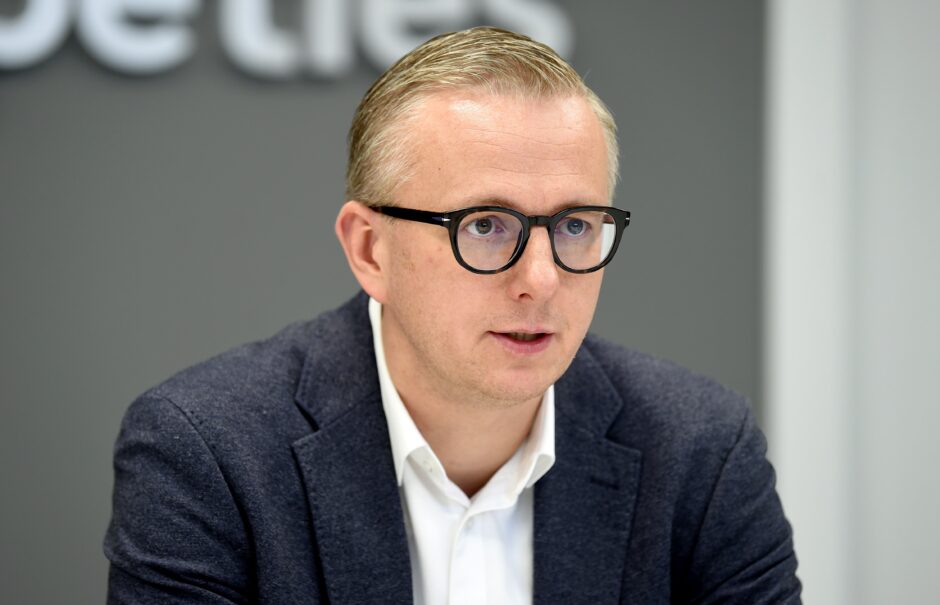
Guntars Levics, Chairman of the Management Board, CleanR Industry.
Right now, our waste is heating other countries’ economies, both literally and figuratively, while we pay to manage it. We need to keep these resources in Latvia, where they can support local energy production, jobs, and tax revenue. However, stricter landfill rules must be introduced together with the development of domestic recycling and energy recovery capacity.
Waste materials still have value after we throw them away. Some can be recycled and used to manufacture new products, while the rest can be used to generate energy. Yet Latvia is only partially taking advantage of this opportunity. Recyclable resources still end up in landfills or are shipped abroad, where we effectively give their value away to others.
For example, Latvian waste is shipped to Sweden, where plants use it to produce heat and electricity. We pay to collect and transport it, but the Swedes use the energy. This means that along with our waste, our money flows abroad, and so does the opportunity to use these resources to supply energy to Latvian households and businesses.
The Swedish example alone shows that Latvia needs a broader, immediate discussion on how to limit the landfilling of waste that is suitable for recycling or energy recovery. But such restrictions must go hand in hand with investment in domestic recycling and energy recovery capacity, enabling these resources to be used here in Latvia. Otherwise, the only result would be less waste in landfills and a growing need to send our waste abroad for processing, which, on top of everything else, would saddle us with unnecessary costs.
How the Situation Has Evolved
The amount of waste landfilled in Latvia has been declining. According to the State Environmental Service, approximately 285,000 metric tons of waste were landfilled in 2021, compared with 199,000 metric tons in 2025. This progress is significant, but the current approach alone will not be enough. To keep reducing landfill volumes, we also need solutions for the waste that still ends up in landfills after sorting and treatment.
The European Union has set a target to landfill no more than 10% of municipal waste by 2035. The biggest mistake would be to assume there is still plenty of time. If anything, the deadline means decisions need to be made now. Building new recycling and energy recovery capacity takes years, and every delay in deciding to develop it shortens the time available to put real alternatives to landfilling in place.
Why Is Landfilling Still the Cheaper Option?
Raising the cost of landfilling encourages the search for other solutions, but it is not enough on its own. It is still cheaper to landfill waste than to process it for energy recovery, so landfilling remains the most financially attractive option. That makes this seemingly positive result rather questionable as long as we keep burying usable resources. Moreover, pre-treatment before landfilling does not guarantee that usable materials are removed from the waste.
It is time to recognize that landfill capacity is not unlimited, and the shortage of landfill space is a serious problem we can no longer ignore. If we continue to bury our waste, we will achieve the exact opposite of what we want. Burying resources cannot go on indefinitely, any more than the country’s land is infinite. We need to start being more demanding right now about how Latvia’s land and national resources are used.
That is why, alongside economic instruments, we need clearer rules on what types of waste landfills may accept. Latvia should also discuss phased restrictions on landfilling of waste suitable for recycling or energy recovery.
One proposal worth considering is a ban on landfilling waste with a calorific value above 7 megajoules per kilogram, which is sufficient energy to justify its recovery. In assessing this, however, we must consider not only the composition of the waste but also the technologies available in Latvia to determine whether we can generate both heat and electricity from it.
Stricter landfill rules are already in place elsewhere in the EU, such as requirements on the organic content of waste or restrictions on landfilling combustible waste. This should also prompt us to assess what we are about to bury and whether it could still be used. However, formal rules will only be meaningful once we are able to verify the composition of waste delivered to landfills and ensure proper oversight, so that usable materials are not landfilled.
A Ban Won’t Build a Plant
A ban alone will not create a new recycling plant. Companies that invest need to know what materials they will receive, how well sorted they will be, and whether there will be buyers for the secondary raw materials they produce. This is exactly where regulation must send a clear signal: what restrictions are coming and when they will take effect, so that investments can be planned and alternatives to landfilling prepared in time.
For the share of waste that cannot be recycled, energy recovery options should be actively developed here in Latvia. This would reduce both landfilling and the need to ship waste to plants abroad. The capacity of planned domestic plants should be matched to the volume of non-recyclable waste, and enough time should be allowed to build them before landfill restrictions take effect.
What Could the Latvian Economy Gain?
Energy recovery abroad costs approximately €130–170 per metric ton, of which €60–100 is the gate fee. By developing domestic capacity, this money could instead go to Latvian companies that create jobs and pay taxes in Latvia, and the heat and electricity produced could be used here at home.
Domestic recycling would also allow more materials to be returned to manufacturing. For the Latvian economy, this would mean an opportunity to attract additional investment, create new jobs, and increase tax revenue, while reducing dependence on prices and terms set by other countries.
That is why the government and the industry must agree on which types of waste will no longer be landfilled and when these restrictions will take effect. Such a decision will be complete only if we also create the conditions to develop domestic recycling and energy recovery capacity.
The longer these decisions are postponed, the longer we will keep paying others and holding back our own economy.
